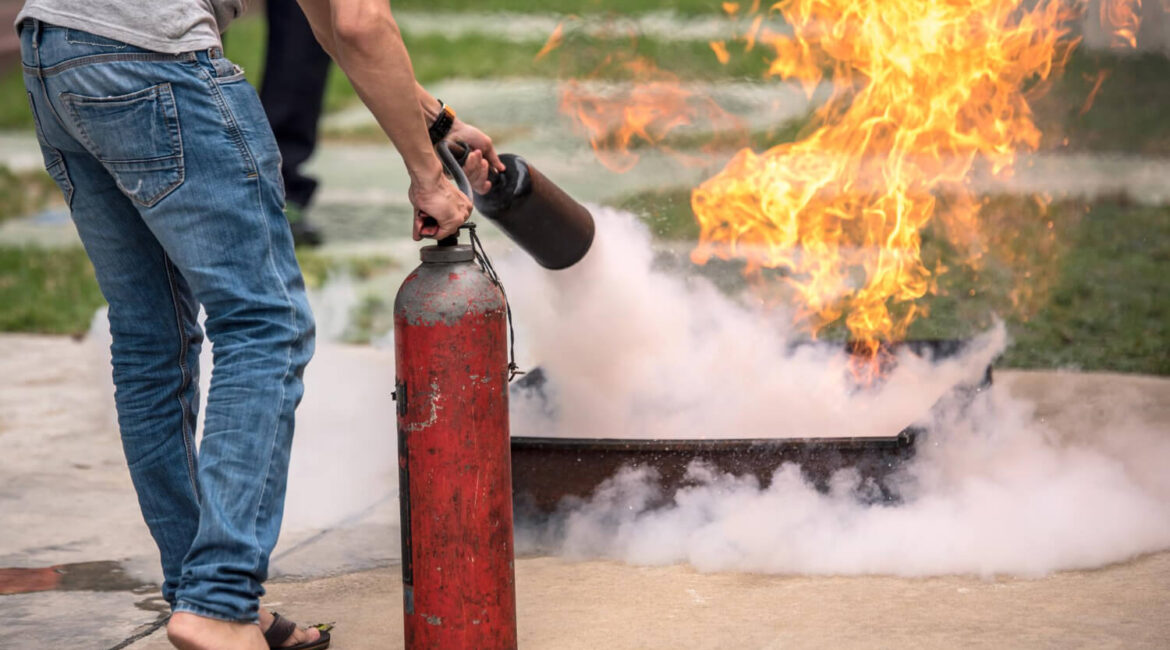
Fire safety is something many people overlook—until it becomes urgent. Whether you own a home, manage an office, or run a commercial facility, having the right fire extinguisher can make the difference between a minor incident and a devastating loss. But with so many types of extinguishers available, choosing the right one isn’t always straightforward.
This guide breaks down everything you need to know about fire extinguishers, including their types, uses, and how to select the best option for your specific needs.
What Is a Fire Extinguisher and Why Is It Important?
A fire extinguisher is a portable safety device designed to put out small fires before they escalate. It works by releasing an extinguishing agent—such as water, foam, dry powder, or carbon dioxide—that removes heat, oxygen, or fuel from the fire triangle.
Having a fire extinguisher readily available is essential because:
- Fires can spread rapidly within minutes
- Emergency response times may vary
- Early intervention can prevent major damage
- It helps protect lives, property, and assets
For both homes and businesses, fire extinguishers are often required by safety regulations and insurance policies.
Understanding the Different Classes of Fire
Before choosing a fire extinguisher, it’s crucial to understand fire classifications. Fires are grouped based on the type of material fueling them:
- Class A: Ordinary combustibles like wood, paper, and fabric
- Class B: Flammable liquids such as petrol, oil, and paint
- Class C: Electrical equipment like wiring and appliances
- Class D: Combustible metals (common in industrial settings)
- Class K (or F): Cooking oils and fats (typical in kitchens)
Each class requires a specific type of extinguisher. Using the wrong one can be ineffective—or even dangerous.
Types of Fire Extinguishers and Their Uses
1. Water Fire Extinguishers
These are ideal for Class A fires involving wood, paper, and textiles. They are simple and cost-effective but should never be used on electrical or flammable liquid fires.
2. Foam Fire Extinguishers
Foam extinguishers are versatile and can handle both Class A and Class B fires. They work by forming a barrier over the burning material, preventing oxygen from feeding the fire.
3. Dry Powder Fire Extinguishers
Also known as ABC extinguishers, these are highly versatile and suitable for Class A, B, and C fires. They are commonly used in vehicles, workshops, and industrial environments.
4. Carbon Dioxide (CO₂) Fire Extinguishers
These are best for electrical fires and flammable liquids. CO₂ extinguishers leave no residue, making them ideal for offices, server rooms, and areas with sensitive equipment.
5. Wet Chemical Fire Extinguishers
Specifically designed for kitchen fires (Class K/F), these extinguishers are essential for restaurants and food preparation areas. They cool the fire and prevent re-ignition.
How to Choose the Right Fire
Selecting the right fire extinguisher depends on your environment and potential fire risks. Here are key factors to consider:
1. Identify Fire Hazards
Assess your space. A home kitchen has different risks compared to a factory or office. Identify what materials are most likely to catch fire.
2. Check Compliance Requirements
Many regions have safety regulations that specify the type and number of extinguishers required in buildings. Make sure you comply with local fire safety standards.
3. Consider Ease of Use
Choose extinguishers that are easy to handle. Staff or family members should be able to operate them quickly in an emergency.
4. Look at Size and Placement
Extinguishers should be accessible and visible. Larger spaces may require multiple units placed strategically.
5. Maintenance and Servicing
Regular inspection and servicing are critical. A faulty extinguisher is as good as having none at all. her e
How to Use a Fire Extinguisher (PASS Method)
Knowing how to use a fire extinguisher is just as important as owning one. The PASS method is a simple way to remember:
- P – Pull the pin
- A – Aim at the base of the fire
- S – Squeeze the handle
- S – Sweep from side to side
Always maintain a safe distance and ensure you have a clear exit route before attempting to extinguish a fire.
Common Mistakes to Avoid
Even with the right equipment, mistakes can reduce effectiveness:
- Using the wrong type of extinguisher
- Ignoring regular maintenance checks
- Blocking access to extinguishers
- Attempting to fight large or uncontrollable fires
If a fire grows beyond control, evacuate immediately and contact emergency services.
Fire Extinguishers for Homes vs. Businesses
For Homes:
- Focus on multi-purpose (ABC) extinguishers
- Place units in the kitchen, garage, and near exits
- Ensure all household members know how to use them
For Businesses:
- Conduct a professional fire risk assessment
- Install different types based on specific hazards
- Train employees on fire safety procedures
- Schedule regular inspections and compliance checks
Businesses often require more advanced fire protection systems alongside extinguishers.
Maintenance Tips for Fire Extinguishers
To ensure your fire extinguisher works when needed:
- Inspect monthly for visible damage
- Check pressure gauges regularly
- Schedule professional servicing annually
- Replace expired or discharged units immediately
Proper maintenance not only ensures safety but also helps meet legal requirements.
Conclusion
Choosing the right fire extinguisher is a critical step in protecting your home or business from fire hazards. By understanding fire classifications, extinguisher types, and proper usage, you can make informed decisions that enhance safety and preparedness.
Fire emergencies are unpredictable, but being equipped with the right tools—and knowing how to use them—can save lives and minimize damage. Don’t wait until it’s too late; invest in the right fire extinguisher today and ensure it’s properly maintained for maximum effectiveness.
Need a Website? Contact @WebCapz